





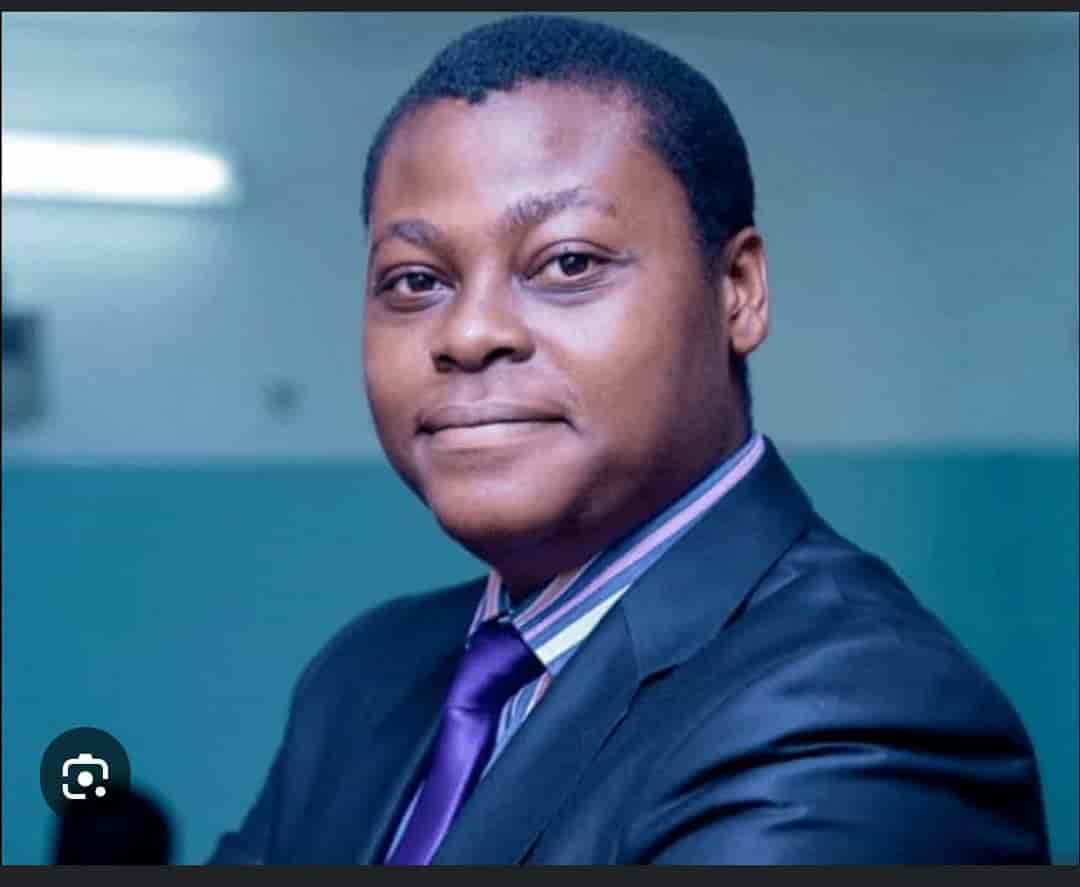
Rufai Oseni biography reflects the career of a journalist who has become one of Nigeria’s most recognisable voices in political broadcasting. Over more than two decades in radio and television, he has earned a reputation for conducting direct interviews, challenging public officials with detailed questions, and encouraging public debate on governance and accountability.
Although many media personalities become known primarily for delivering the news, Oseni has built his public profile through live interviews that frequently dominate conversations long after they air. His transition from radio broadcasting to national television illustrates broader changes within Nigerian journalism, where broadcast personalities increasingly shape political discussion beyond the newsroom.
Today, he is best known as one of the presenters of the Arise TV Morning Show, where he interviews politicians, policymakers, economists and other public figures on issues affecting Nigeria.
This article examines his verified background, education, career development and growing influence while distinguishing documented information from claims that cannot be independently confirmed.
Verified Profile
| Profile | Information |
|---|---|
| Full Name | Rufai Oseni |
| Nationality | Nigerian |
| Profession | Broadcast Journalist, Television Presenter and Media Personality |
| Known For | Political interviews and current affairs broadcasting |
| Employer | Arise News |
| State of Origin | Ogun State, Nigeria |
| Hometown | Odogbolu, Ogun State |
| Education | Federal Government College, Odogbolu; Federal University of Agriculture, Abeokuta |
| Field of Study | Animal Anatomy and Physiology |
| Additional Training | Lagos Business School (Entrepreneurship Programme) |
| Years Active | More than two decades in broadcasting |
| Primary Area of Work | Journalism, Political Interviews and Public Affairs |
Early Life and Background
Documented information about Rufai Oseni’s childhood remains relatively limited, reflecting his preference to keep much of his private life away from public attention.
He is widely reported to have been born on 8 April 1980 in Odogbolu, Ogun State, in south-western Nigeria. While numerous online biographies repeat details about his upbringing and family background, only a small portion of that information has been publicly confirmed. As a result, it is more accurate to focus on information that can be supported by reliable records rather than speculation.
Growing up in Ogun State placed him within one of Nigeria’s historically significant educational and political regions. Ogun has produced notable academics, journalists, business leaders and political figures, creating an environment where education and public service have long been valued.
Although little is publicly documented about his early personal life, his later broadcasting career suggests an early interest in communication, public affairs and civic issues. Rather than emerging directly into national television, his professional journey developed gradually through years of experience in local broadcasting.
Education
Education represents one of the most clearly documented aspects of Rufai Oseni’s biography.
He attended Federal Government College, Odogbolu, where he completed his secondary education before enrolling at the Federal University of Agriculture, Abeokuta (FUNAAB).
At university, he studied Animal Anatomy and Physiology, an academic discipline that appears far removed from journalism. However, his educational background demonstrates that careers in broadcasting do not always begin with degrees in communication or mass media.
Scientific training often develops analytical thinking, research skills and the ability to evaluate evidence systematically qualities that later became noticeable in his interviewing approach.
Beyond his university education, Oseni also attended the Lagos Business School, where he undertook entrepreneurship training. While this programme did not change his profession, it broadened his understanding of leadership, business management and organisational strategy, subjects that frequently arise during interviews with policymakers and business executives.
His educational journey therefore reflects both academic diversity and continuous professional development rather than a conventional path into journalism.
From Science Graduate to Broadcaster
One of the more interesting aspects of Rufai Oseni’s career is that broadcasting was not an obvious extension of his university degree.
Nigeria’s media industry has long attracted professionals from diverse academic backgrounds, particularly those with strong communication skills and an interest in current affairs. Oseni belongs to this group of journalists whose careers developed through practical newsroom experience rather than formal journalism education alone.
The transition from studying biological sciences to becoming a nationally recognised broadcaster illustrates the importance of transferable skills. Research, critical thinking, observation and disciplined preparation qualities cultivated in scientific education are also valuable within investigative and political journalism.
Rather than presenting this transition as unusual, it reflects a broader trend within Nigerian broadcasting, where many respected presenters entered the profession from disciplines such as law, engineering, economics and the sciences.
Beginning a Career in Radio
Before becoming a familiar face on television, Rufai Oseni established himself in radio broadcasting.
His early career included work with several radio stations, including Unique FM, Gold FM, Inspiration FM and Nigeria Info, where he gained experience presenting news, moderating discussions and analysing public affairs.
Radio provided an environment that rewarded clarity, speed and audience engagement. Unlike television, presenters rely almost entirely on their voices, questioning techniques and ability to explain complex issues without visual aids. These skills later became defining characteristics of Oseni’s broadcasting style.
Working across different stations also exposed him to varied audiences and formats, enabling him to refine an interviewing approach that combines preparation with persistent follow-up questions.
Rather than becoming widely recognised overnight, his professional reputation developed gradually through years of daily broadcasting.
Developing an Interviewing Style
As his career progressed, Rufai Oseni became increasingly associated with interviews that emphasised accountability rather than ceremony.
Political interviews in Nigeria have traditionally ranged from highly confrontational exchanges to more conversational discussions. Oseni’s style generally falls closer to the former, with an emphasis on requesting evidence, challenging inconsistencies and asking follow-up questions when answers appear incomplete.
Supporters view this approach as an important contribution to democratic accountability, arguing that public officials should expect rigorous questioning on issues affecting citizens.
Critics, however, sometimes argue that his interviews can become overly forceful or interruptive. These differing opinions highlight an important aspect of broadcast journalism: effective interviewing often requires balancing persistence with fairness.
Whether praised or criticised, his interviewing style has become a defining feature of his public identity and has distinguished him from many of his contemporaries in Nigerian television journalism.
Career Turning Point
For many journalists, national recognition comes not from a single interview but from sustained visibility on a widely watched platform.
For Rufai Oseni, that turning point came with his move to Arise News, where he became one of the presenters of the Arise TV Morning Show.
The programme regularly features senior government officials, opposition politicians, economists, diplomats and business leaders discussing issues of national importance. Appearing before a nationwide audience significantly expanded Oseni’s influence beyond the loyal listeners he had built during his years in radio.
His interviews increasingly generated news headlines, social media discussions and responses from political stakeholders, illustrating how modern broadcast journalism now extends well beyond television into digital public discourse.
This transition marked the point at which he evolved from a respected broadcaster into one of Nigeria’s most widely recognised television journalists.

Arise TV and National Recognition
Rufai Oseni’s move to Arise News marked the stage of his career that brought him to a much larger national audience. While he had already established himself in radio, television gave him a platform where both his questioning style and on-screen presence became central to his public identity.
As one of the presenters of the Arise TV Morning Show, Oseni participates in discussions covering politics, governance, the economy, public policy and major national events. The programme regularly features ministers, governors, lawmakers, diplomats, economists and leaders from the private sector, making it one of Nigeria’s most watched morning current affairs programmes.
His role extends beyond reading headlines. He is known for conducting lengthy interviews in which guests are expected to explain policies, defend previous statements and respond to criticism. This format has contributed to his reputation as one of the country’s most recognisable political interviewers.
The visibility provided by Arise TV also transformed Oseni into a prominent voice on social media, where clips from his interviews frequently circulate long after the live broadcasts have ended.
A Distinctive Interviewing Style
Journalists often become known for a particular approach to interviewing. In Rufai Oseni’s case, his style is characterised by preparation, persistence and a willingness to challenge public officials on issues of public interest.
Rather than limiting interviews to prepared questions, he frequently follows up on incomplete answers, cites previous public statements and asks guests to clarify apparent contradictions. This method has earned praise from viewers who believe journalists should rigorously question those in positions of power.
At the same time, some critics argue that his interviews can become confrontational or overly assertive. Such criticism reflects a broader debate within journalism about where the balance should lie between robust questioning and allowing interviewees sufficient time to explain their positions.
Regardless of differing opinions, his interviewing style has become a defining characteristic of his broadcasting career and one of the reasons his programmes generate significant public discussion.
Career Milestones
Although Rufai Oseni’s professional journey spans more than two decades, several milestones stand out as particularly significant.
Building a Foundation in Radio
His years in radio broadcasting helped establish his reputation as a presenter capable of discussing politics, governance and public affairs in an accessible manner. Working across multiple stations allowed him to develop experience with live discussions, breaking news and audience engagement before moving into television.
Transition to National Television
Joining Arise News represented a major career advancement. It expanded his audience beyond regional radio listeners and placed him at the centre of discussions involving Nigeria’s political and economic leadership.
Becoming a Recognisable Public Figure
Regular appearances on national television, combined with active participation on digital platforms, gradually transformed Oseni from a broadcaster into a public commentator whose interviews often become news stories in their own right.
This evolution reflects broader changes within modern journalism, where interviewers increasingly influence public conversation through both traditional broadcasting and online media.
Interviews That Shaped Public Discussion
Many of Rufai Oseni’s interviews receive widespread attention because they address subjects that directly affect Nigerians.
His guests have included senior government officials, political party representatives, economists, business leaders and civil society advocates. Discussions frequently cover topics such as:
- National elections
- Economic reforms
- Fuel subsidy policies
- Security challenges
- Constitutional issues
- Public spending
- Government accountability
Several interviews have generated extensive debate on social media, where viewers analyse individual exchanges, question the responses given by guests and discuss broader policy implications.
While headlines often focus on moments of confrontation, the significance of these interviews lies in their contribution to public accountability. Broadcast journalism serves not only to inform audiences but also to provide elected officials and policymakers with opportunities to explain and defend their decisions before the public.
Influence on Nigerian Journalism
Rufai Oseni belongs to a generation of Nigerian broadcasters whose work extends beyond television screens.
Digital platforms have changed how journalism reaches audiences. Instead of ending when a programme concludes, interviews are now clipped, shared and discussed across social media, often reaching millions of viewers who did not watch the original broadcast.
Oseni has adapted effectively to this environment. His interviews frequently become reference points in national political conversations, illustrating how broadcasters increasingly influence public debate beyond their television programmes.
His work also reflects a growing expectation among audiences that journalists should challenge public officials with evidence-based questions rather than simply providing platforms for political messaging.
This shift has contributed to changing perceptions of political interviewing within Nigerian broadcast media.
Public Commentary Beyond Television
Outside his television work, Rufai Oseni regularly shares commentary on national issues through public speaking engagements and his verified social media platforms.
His online presence allows him to engage directly with audiences on topics including governance, economic policy and civic responsibility. Unlike the structured format of live television interviews, social media provides opportunities to respond quickly to breaking developments and interact with viewers.
Because of his visibility, many of his posts receive extensive engagement and occasionally become part of wider national discussions.
However, as with any public figure, individual opinions expressed online should be distinguished from verified reporting. Readers should consider the context in which statements are made and differentiate between journalistic reporting, commentary and personal opinion.
Public Perception
Public opinion regarding Rufai Oseni remains varied.
Supporters often describe him as a journalist who asks questions many viewers believe require clear answers from public officials. They argue that his interviewing style strengthens democratic accountability by encouraging transparency.
Others believe some interviews become unnecessarily combative or argumentative, suggesting that a less confrontational approach could produce more detailed responses from guests.
These differing perspectives are common among journalists who regularly interview political leaders. Strong reactions both positive and negative often accompany broadcasters whose work involves questioning individuals in positions of authority.
The existence of differing opinions does not, by itself, diminish a journalist’s professional contribution. Instead, it reflects the challenges inherent in conducting live political interviews before a national audience.
Controversies and Public Debate
As an interviewer known for direct questioning, Rufai Oseni has occasionally found himself at the centre of public debate.
One widely discussed example involved a televised interview with presidential aide Daniel Bwala, during which both participants engaged in a robust exchange over political issues. Clips from the interview circulated widely online, prompting debate about the role of journalists in questioning government representatives.
Supporters viewed the exchange as evidence of rigorous journalism, while critics argued that the discussion became overly confrontational.
Another episode involved online rumours claiming that Oseni had been suspended by Arise News. The reports were publicly denied, with Oseni stating that the claims were false and explaining that he was away on official work at the time.
These incidents illustrate how prominent broadcasters increasingly become subjects of public discussion themselves, particularly in an era where short video clips and social media posts can spread rapidly without full context.
Personal Life
Compared with his professional career, Rufai Oseni has shared relatively little about his personal life.
Although online searches frequently ask whether he is married or has children, there is no comprehensive public confirmation regarding these aspects of his private life. He has generally chosen to keep family matters separate from his public role as a journalist.
Respecting that distinction is important. Public interest alone does not justify speculation, and responsible biographies should avoid presenting rumours or unverified information as established fact.
Similarly, details concerning his wider family background remain limited in publicly available, authoritative sources.
Financial Information and Net Worth
Search interest in Rufai Oseni often includes questions about his wealth. However, available information should be treated with caution.
Rufai Oseni has not publicly disclosed his income, assets or net worth. Numerous websites publish estimates, but these figures differ significantly and are typically unsupported by verifiable financial records.
For that reason, it is not appropriate to present any estimated net worth as fact.
It is reasonable to state that his professional income is likely to come from broadcasting and other publicly documented engagements associated with his career. Beyond that, specific financial claims remain speculative unless supported by reliable evidence or disclosed by Oseni himself.
Professional Legacy
Although his career is still ongoing, Rufai Oseni has already established a significant place within contemporary Nigerian broadcasting.
His professional legacy is not defined solely by the number of interviews he has conducted, but by the influence those interviews have had on public discussion. Through persistent questioning and coverage of issues affecting governance and accountability, he has contributed to conversations that extend far beyond the television studio.
Whether one agrees with his interviewing style or not, his work reflects the increasing importance of broadcast journalism in shaping civic engagement and democratic debate in Nigeria.
That broader contribution is likely to remain one of the defining features of his career as Nigerian journalism continues to evolve.
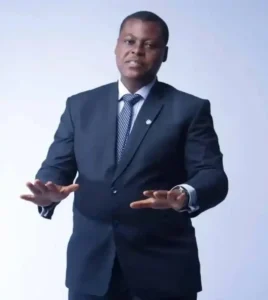
Rufai Oseni Biography
Confirmed Timeline of Major Milestones
| Year | Milestone | Verification Status |
|---|---|---|
| 1980 | Widely reported birth in Odogbolu, Ogun State, Nigeria (8 April 1980). | Widely reported; readers should confirm through an official profile where available. |
| 1990s | Attended Federal Government College, Odogbolu. | Commonly reported. |
| Early 2000s | Graduated from the Federal University of Agriculture, Abeokuta (FUNAAB) with a degree in Animal Anatomy and Physiology. | Consistently reported. |
| Career Beginnings | Started a professional broadcasting career in radio, working with several stations including Unique FM, Gold FM, Inspiration FM and Nigeria Info. | Broadly documented across reputable media profiles. |
| Later Career | Completed entrepreneurship training at Lagos Business School. | Commonly reported. |
| 2019 | Joined Arise News and became one of the presenters of the Arise TV Morning Show. | Well documented. |
| 2020–Present | Continued interviewing senior political leaders, policymakers and public figures on national television. | Well documented. |
| Ongoing | Maintains an active public presence through television, speaking engagements and verified social media platforms. | Publicly observable. |
Frequently Asked Questions
Who is Rufai Oseni?
Rufai Oseni is a Nigerian broadcast journalist, television presenter and political interviewer best known for his work on the Arise TV Morning Show, where he discusses governance, public policy and current affairs.
Where is Rufai Oseni from?
He is widely reported to be from Odogbolu Local Government Area in Ogun State, south-western Nigeria.
What did Rufai Oseni study?
He studied Animal Anatomy and Physiology at the Federal University of Agriculture, Abeokuta (FUNAAB) before building a career in broadcasting.
Which television station does Rufai Oseni work for?
He is one of the presenters of Arise News, where he co-hosts the Arise TV Morning Show.
Did Rufai Oseni begin his career in television?
No. Before becoming a television presenter, he spent several years in radio broadcasting, working with multiple stations and developing the interviewing skills that later defined his television career.
Why is Rufai Oseni widely known?
He is recognised for conducting detailed political interviews that frequently examine government policies, public accountability and national issues. Many of these interviews generate widespread discussion on television and social media.
Is Rufai Oseni married?
As of the latest publicly available information, Rufai Oseni has not shared detailed information about his marital status. Responsible biographies should avoid speculation about his private life.
Does Rufai Oseni have children?
There is no publicly verified information confirming whether he has children. Any claims made without reliable evidence should be treated with caution.
What is Rufai Oseni’s net worth?
Rufai Oseni has not publicly disclosed his financial assets or net worth. Numerous websites publish estimates, but these figures vary widely and are not supported by verifiable financial records. Consequently, no specific figure should be presented as confirmed.
What makes Rufai Oseni’s interviewing style distinctive?
His interviews are known for detailed preparation, persistent follow-up questions and a focus on obtaining clear answers from public officials. While this approach has earned praise from many viewers, it has also attracted criticism from those who consider it overly confrontational. These differing opinions reflect broader debates about the role of journalists in democratic societies.
Also Read: Diezani Alison-Madueke Biography
Editorial Conclusion
The story presented through Rufai Oseni biography is less about celebrity and more about the evolution of a broadcaster who has become a prominent figure in Nigeria’s political media landscape.
His career demonstrates that influence in journalism is built over time through consistent reporting, preparation and the ability to engage audiences on issues of public importance. From his early years in radio to his current role on Arise News, Oseni has developed a professional identity centred on political interviews and public accountability.
Equally important is the distinction between verified facts and popular assumptions. Many online biographies attempt to satisfy search demand by including speculative information about wealth, family or personal relationships. A more responsible approach is to present only information supported by reliable evidence while acknowledging where public records remain limited.
As Nigeria’s media environment continues to evolve, broadcasters such as Rufai Oseni will likely remain influential participants in national conversations. Whether viewed as a rigorous interviewer or a polarising media personality, his work illustrates the growing importance of broadcast journalism in informing public debate and encouraging accountability.







+ There are no comments
Add yours